
Mahya Safa
Professional SEO Specialist Delivering Data-Driven Growth
I help businesses increase organic visibility, drive qualified traffic, and achieve measurable results through strategic and sustainable SEO solutions.
Services

SEO Audit
A complete analysis of your website’s technical foundation, content quality, and performance indicators.
On-Page SEO
Optimizing content, structure, and metadata to enhance relevance and improve search engine visibility.

Technical SEO
Ensuring your website is fully crawlable, indexable, and optimized for speed, mobile usability, and overall performance.

Keyword Research & Strategy
Identifying high-value keywords and crafting a strategic roadmap that aligns with user intent and market demand.

Content Strategy & Optimization
Developing search-focused content plans and optimizing existing content to increase engagement and rankings.

Off-Page SEO & Link Building
Building high-quality, authoritative backlinks to strengthen domain authority and improve rankings.

Services
I am an experienced SEO Specialist with a strong background in technical optimization, content strategy, and performance analytics. Over the past years, I have worked with businesses across various industries to enhance their online visibility and achieve consistent, long-term growth.
My approach combines data-driven insights with industry best practices, ensuring that every SEO initiative is aligned with business goals. I focus on transparency, measurable results, and delivering a clear return on investment.

Gmail
Send Emails

Telegram
messaging

messaging

My Portfolio
Clients Testimonials
Comprehensive SEO Services Designed for Sustainable Growth
Start Your SEO Journey With Me
Let’s turn your website into a sustainable growth channel. Through strategic SEO, data-driven decisions, and proven methodologies, I help businesses increase visibility, attract qualified traffic, and achieve long-term results.
Get started with a free SEO consultation today.
BLOG
Discover in-depth SEO articles based on real-world experience, proven methodologies, and data-driven strategies.
Explore the blog to stay ahead of search trends and build long-term visibility.
Keyword research is the cornerstone of an effective SEO strategy. Selecting the right keywords ensures your content reaches the right audience and drives qualified traffic.
1. Understand Your Audience
Identify your target audience’s needs, questions, and pain points. Use tools like Google Trends, AnswerThePublic, and social media insights to discover what they’re searching for.
2. Analyze Competitors
Study competitor websites to see which keywords drive their traffic. Tools like Ahrefs and SEMrush provide keyword gaps and opportunities to outperform competitors.
3. Mix Short-Tail and Long-Tail Keywords
Short-tail keywords generate high traffic but are competitive. Long-tail keywords attract more qualified traffic and are easier to rank for. Use both strategically.
4. Focus on Search Intent
Understand whether users are looking for information, products, or services. Match your content to their intent to increase engagement and conversions.
5. Regularly Update Keywords
SEO is dynamic. Regularly review and adjust your keyword strategy based on trends, seasonality, and changes in search behavior.
Conclusion:
Keyword research is not a one-time task—it’s an ongoing process. By selecting the right keywords and aligning them with search intent, your website can attract the right audience and achieve sustainable growth.
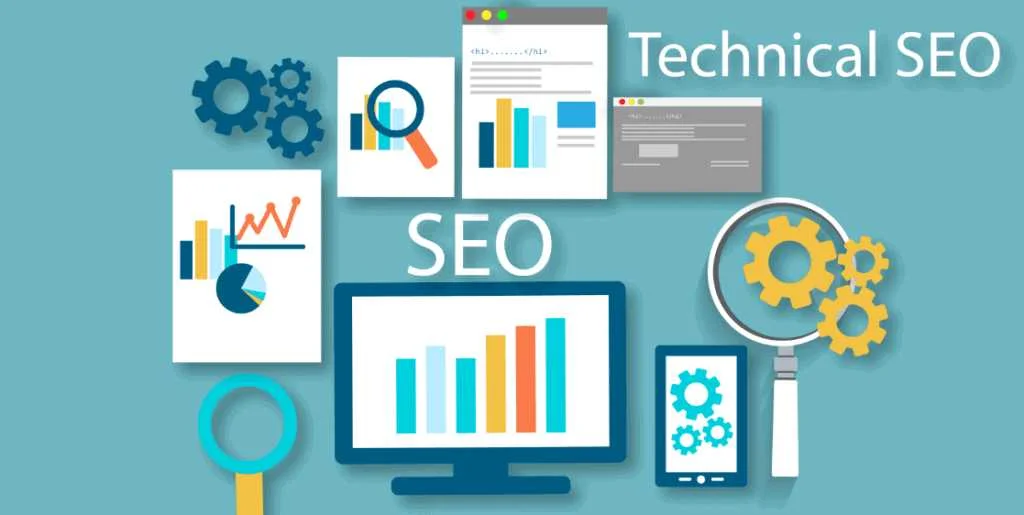
Technical SEO is often overlooked, but it’s critical for search engine visibility and user experience. It ensures that your website is crawlable, fast, secure, and structured correctly for search engines.
1. Improve Site Speed
Page speed directly affects rankings and user satisfaction. Optimize images, enable browser caching, and use a Content Delivery Network (CDN) to minimize loading times.
2. Mobile Optimization
With mobile-first indexing, Google evaluates mobile versions of sites first. Ensure responsive design, legible fonts, and easy navigation on all devices.
3. Secure Your Website
HTTPS is a ranking factor. Secure your website with an SSL certificate to protect users and improve trust signals.
4. Fix Crawl Errors
Use Google Search Console to identify crawl errors and broken links. Correcting these ensures that search engines can index your pages correctly.
5. Structured Data & Schema Markup
Implementing structured data helps search engines understand your content, increasing the chances of rich snippets in search results.
6. XML Sitemap & Robots.txt
Ensure your XML sitemap is accurate and submitted to search engines. Proper robots.txt configuration prevents search engines from crawling irrelevant pages.
Conclusion:
Technical SEO is the backbone of a successful SEO strategy. By addressing speed, security, mobile usability, and crawlability, your website will be prepared for higher rankings and better user experience.
On-page SEO is the foundation of a successful search engine strategy. It ensures that your website is structured, readable, and optimized for both users and search engines. Here’s everything beginners need to know about on-page SEO in 2026.
1. Optimize Title Tags
Title tags are the first impression search engines have of your page. Use clear, concise titles containing your primary keyword. Keep them under 60 characters to prevent truncation in search results.
2. Write Effective Meta Descriptions
Meta descriptions summarize your page content and improve click-through rates. Include your main keyword naturally and provide a compelling reason for users to visit your page. Aim for 150–160 characters.
3. Use Proper Heading Structure
Headings (H1, H2, H3) organize content for readability and SEO. Include primary keywords in H1 and secondary keywords in H2/H3 tags. Avoid keyword stuffing to maintain natural flow.
4. Optimize Images
Use descriptive file names and alt text for all images. Compress images for faster load times without compromising quality. Proper image optimization improves both SEO and accessibility.
5. Internal Linking
Link related pages within your website to guide users and distribute link equity. Use descriptive anchor text that matches the linked content, improving both SEO and user experience.
6. Content Quality
Create engaging, valuable content that satisfies user intent. Update outdated content regularly and maintain a clear structure with headings, bullet points, and short paragraphs for readability.
7. URL Structure
Keep URLs short, readable, and keyword-rich. Avoid unnecessary numbers, symbols, or long strings. Clean URLs improve click-through rates and search engine understanding.
Conclusion:
On-page SEO is a continuous process, but mastering these fundamentals ensures that your website is optimized for search engines and users alike. Start implementing these strategies today to see measurable improvements in traffic and rankings.
In today’s digital landscape, staying ahead of the competition requires more than just a visually appealing website. Search Engine Optimization (SEO) is the cornerstone of online visibility, and implementing the right strategies can dramatically increase your organic traffic. Here are ten proven SEO strategies that will help your website thrive in 2026.
1. Conduct a Comprehensive SEO Audit
Before implementing new strategies, it’s essential to analyze your website’s current performance. An SEO audit identifies technical issues, broken links, slow-loading pages, and on-page optimization gaps. Tools like Google Search Console, Ahrefs, and SEMrush can provide actionable insights to fix errors and improve rankings.
2. Optimize for Core Web Vitals
Google prioritizes user experience, and Core Web Vitals play a significant role in ranking. Ensure your website loads quickly (Largest Contentful Paint), responds promptly to user interactions (First Input Delay), and maintains visual stability (Cumulative Layout Shift).
3. Focus on High-Quality Content
Content remains king in 2026. Create informative, engaging, and actionable content that addresses your audience’s search intent. Incorporate relevant keywords naturally, use clear headings, and include multimedia elements like images, videos, and infographics to enhance user experience.
4. Strategic Keyword Research
Identify high-value keywords that match your target audience’s intent. Combine short-tail and long-tail keywords to capture both high-traffic and niche search queries. Regularly update your keyword strategy based on trends, search volume, and competitor analysis.
5. On-Page SEO Optimization
Optimize meta titles, descriptions, headings, and URL structures. Use internal linking to guide users and search engines through your website. Proper on-page SEO ensures that search engines understand your content and rank it accordingly.
6. Technical SEO Improvements
Address technical issues like XML sitemaps, robots.txt, canonical tags, and schema markup. A technically optimized website ensures proper crawling, indexing, and faster load times, which directly impacts your rankings.
7. Build High-Quality Backlinks
Backlinks from authoritative websites improve your domain authority and search visibility. Focus on creating valuable content that naturally attracts links, guest posting on reputable sites, and networking with industry influencers.
8. Enhance Mobile Optimization
Mobile traffic continues to grow, and Google’s mobile-first indexing makes mobile optimization critical. Ensure responsive design, fast loading speeds, and easy navigation for all devices.
9. Improve User Engagement
Metrics like bounce rate, session duration, and pages per session signal to search engines how users interact with your site. Improve user engagement by offering clear calls-to-action, intuitive navigation, and compelling content.
10. Regularly Track and Measure Results
SEO is an ongoing process. Use analytics tools to track key performance indicators (KPIs) like organic traffic, keyword rankings, conversions, and bounce rate. Adjust your strategies based on performance data to ensure continuous growth.
Conclusion:
Implementing these ten SEO strategies will position your website for sustainable growth in 2026 and beyond. From technical optimization to content strategy and link building, each tactic contributes to a stronger online presence and higher search rankings.